Case study · Home textiles
Production was spread across the building and the work was handled twice.
A 400K square foot home textiles manufacturer.
Results at a glance
166%
of the savings target, $744K realized against a $448K target.
107¢ to 95¢
Labor cost per unit, a 12% reduction, even after wage increases. Units per labor hour went 19 to 22.
24 fillers
cover work that once required 36.
The situation
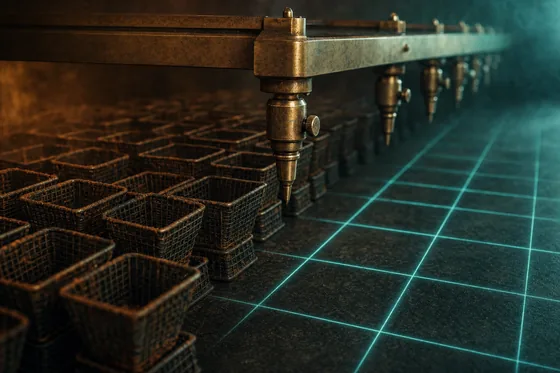
Work travelled between areas in baskets, over 2,500 of them, and each basket meant the same work was handled twice. It took 36 fillers to cover the filling work, and wages were going up.
What we did
We converted the decentralized production into 13 manufacturing cells inside the facility, which took out the baskets and the double handling and opened more than one third of the building. Every manager was given a personal coach, and 10 workshops were delivered.
The result
Every figure, and how it was confirmed.
166%
of the savings target, $744K realized against a $448K target.
107%
of billing: the savings exceeded the fees for the work.
107¢ to 95¢
Labor cost per unit, a 12% reduction, even after wage increases. Units per labor hour went 19 to 22.
24 fillers
cover work that once required 36.
As reported by the principal
How we report valueNext step
If this company sounds like yours, ask us what a discovery would look at in your numbers.
You do not have to be ready to buy anything. One of the three of us will answer the question ourselves.